Anvesha Bhagat
826 hits
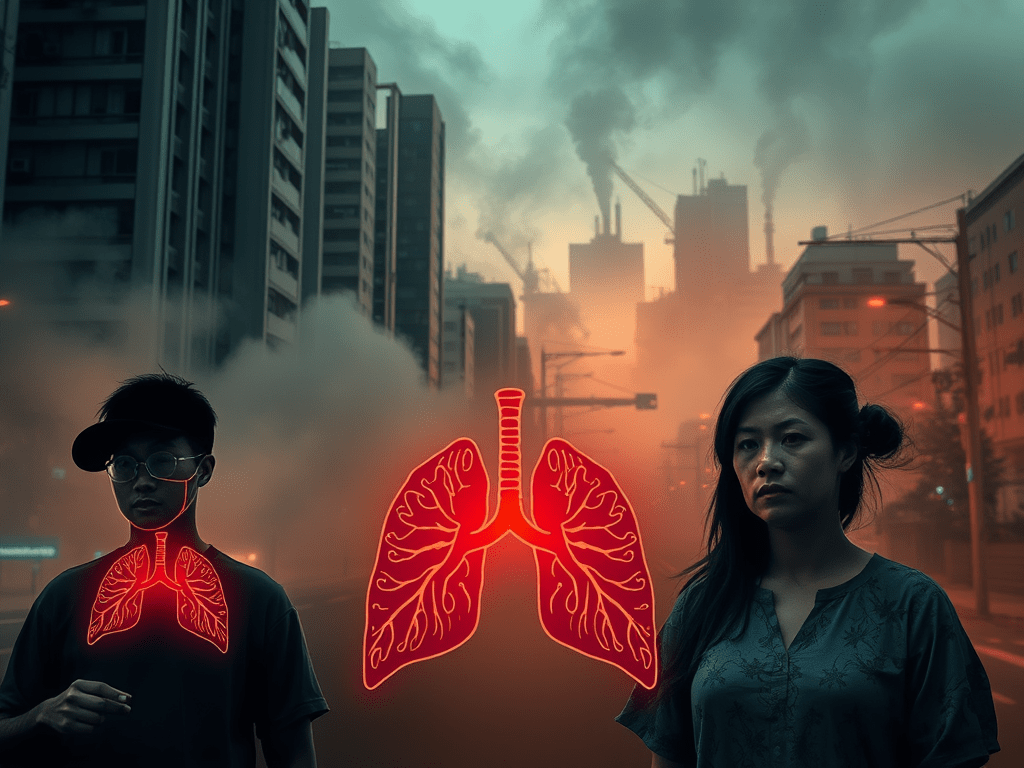
According to Merriam-Webster, the definition of pollution is the action of making an environment unsuitable or unsafe for use by introducing chemical or manufacturing waste. There are seven types of pollution of air, water, soil, radioactive, light, noise, and thermal which all contribute to the serious health diseases. The World Health Organization states that, “The specific disease outcomes most strongly linked with exposure to air pollution include stroke, ischaemic heart disease, chronic obstructive pulmonary disease, lung cancer, pneumonia, and cataract (household air pollution only)” which explains how this could lead to severe issues for pregnant women has increased the mortality rates. In pollution, there are chemicals and particles such as carbon monoxide, nitrogen oxides, sulfur dioxide, and more which go deeply into the lungs, going to the bloodstream and reaching the organs. Pollution is more targeted to children and seniors as they have more sensitive systems who react to these issues far more. Not to mention, the low-income communities also have a higher risk of pollution due to the location of their homes. Many people believe that pollution is something that is outside, but it could also be inside as well. This includes smoke, lead, and dust from appliances, mold, fireplaces, and the walls of your homes to trigger the breathing problems. (https://www.pca.state.mn.us/air-water-land-climate/air-quality-and-health). The steps one could take to protect health is to check the weather app to understand when the air quality is unhealthy, close the windows when necessary, and avoid the exposure to such chemicals.

Leave a Reply