• Policies Supporting Individuals with Autism Spectrum Disorder

    Anvesha Bhagat

    643 hits

    Autism is a neurodevelopmental condition that affects communication and behavior through a spectrum as it is different for everyone. Some of the symptoms involve difficulty with eye sight, repetitive speech, hand-flapping, intense focus towards an area, sensory sensitivity, and many more. As a result, many policies are implemented to assure that individuals have the rights to education, healthcare, and services; this is in order to promote inclusivity and equal opportunities.  To commence, the American with Disabilities Act is a law that prohibits discrimination against those with disabilities, hoping to foster a community with equality. This law assures that if you feel mistreated in workplaces, then it is important to understand your rights under the ADA. Not to mention, there is also the Individuals with Disabilities Education Act in which assures that students with autism will have an individualized education program that is dedicated towards accommodations and services that are tailored to support the students learning. The Autism CARES Act is able to provide funding for autism research and intervention programs. These help teachers and doctors delve deeper into understanding what services and diagnoses will support the child. There is also the Medicaid and the EPSDT which allow children with autism to have coverage that are needed for screenings and treatments, helping families access care and necessary services. A person with autism will also be able to have programs such as the vocational rehabilitation programs available to them. This is so that there are employment programs set to help the people with disabilities which include autism. Ultimately, these policies understand how autism affects each person’s difficulty and are set in place to help every individual succeed.
  • Prevention vs. Treatment: Which Is More Effective in Public Health?

    Anvesha Bhagat

    643 hits

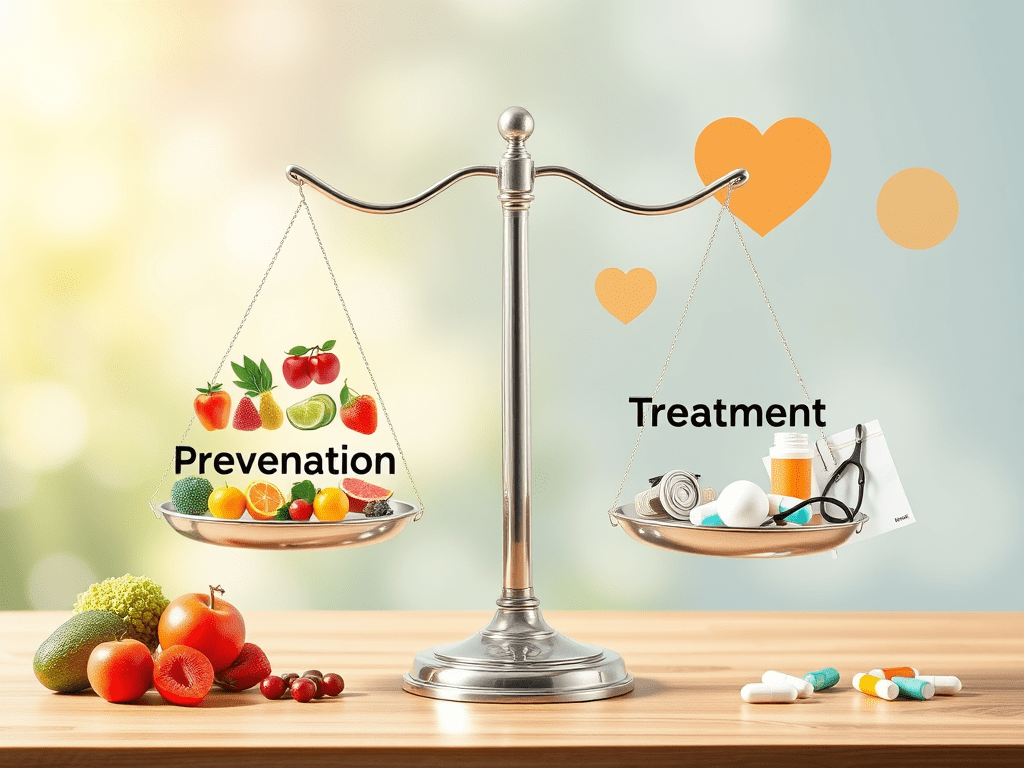
    In the public health field, prevention and treatment are both effective methods to ensure people reach their optimal health. But, when comparing the two, which technique is more efficient? Prevention is what stops the diseases before they start, this would include methods such as vaccination, education, and dieting to ensure that your body is immunized to any potential diseases. According to the Institute for Work & Health Workers, there are three types of prevention strategies that could be implemented. To commence, the primary prevention revolves around preventing the disease before the injury occurs by reducing the risk factors; this would include abiding to laws and habits that are placed to help. Secondary prevention is when there are actions taken to help early diagnoses and to help improve the quality of life. This would include going to regular screenings, taking medicine, and changing the diet to help regulate the new way of life. Tertiary prevention is helping people live better when diagnosed with a long-term illness. Some methods would be going to physical therapy, rehab, and support groups to help manage any concerns. While treatment is analyzing how to take care of the illness after it has happened. Some treatment methods would be taking antibiotics, surgery, and therapy. Many health care professionals prefer prevention because they believe it is more cost effective, better health outcomes due to early detection, and create healthier environments. 

  • Heart Attacks: What You Need to Know

    Anvesha Bhagat

    643 hits

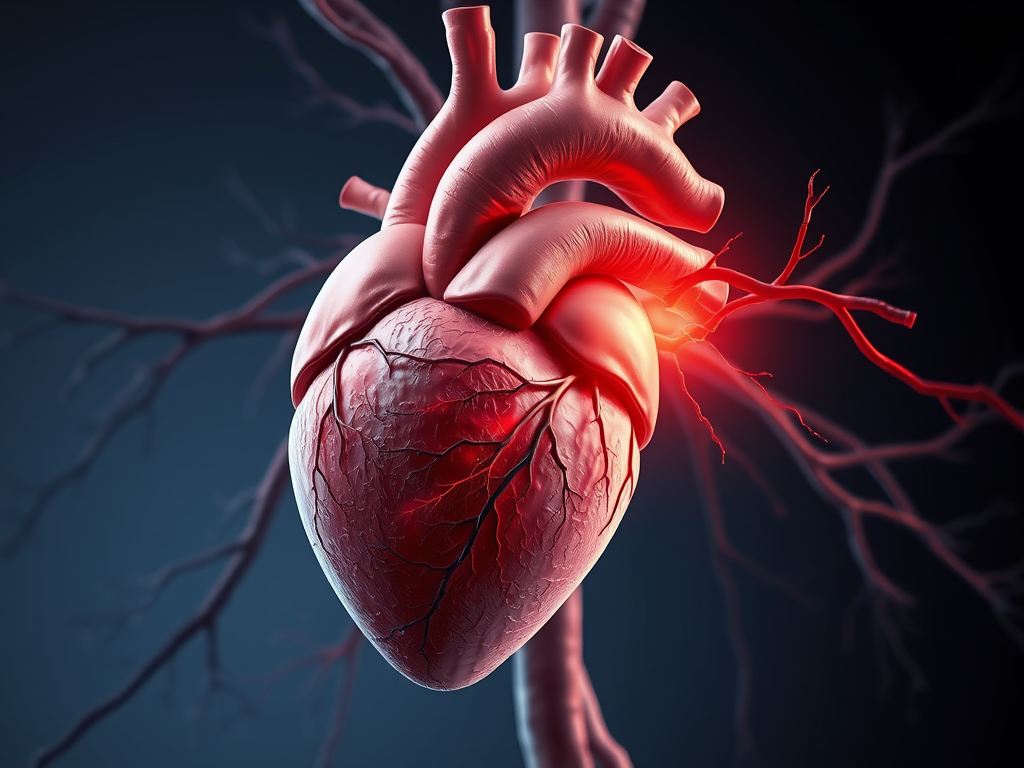
    A heart attack, myocardial infarction, happens when the blood that brings the oxygen to the heart muscle becomes blocked. As a result, the heart does not get enough oxygen to function properly so the heart muscle will begin to die. There are two types of heart attacks: STEMI and NSTEMI which is determined by if the blockage is complete or partial; STEMI requires immediate attention as this is severe and can stop the heart from functioning due to the coronary artery being completely blocked. According to the CDC, more than 800,000 people in the United States have a heart attack every year which is common for older adults. The World Health organization states that more than four out of 5 cardiovascular diseases deaths are due to heart attacks. Unfortunately, heart attacks are hereditary meaning that having a family history of heart attacks may increase the risk of you having one as it can be passed down, so it is extremely crucial for one to know their family medical history and understand the risk factors ahead of time. The average age for heart attacks is 65 years for men, while 72 for women.Many heart attack signs can be noticeable from anything between a few minutes prior or weeks in advance. A common sign that is noticed amongst the people is chest pain where there is pressure in the center of the chest. As a result, one could experience feelings of fullness or squeezing. This pain is either constant pain or intermittent pain. Additionally, one may also feel discomfort in the upper body which ranges from the neck, arms, and the jaw. Other symptoms include cold sweating without any physical activity, where the skin appears to be pale or have a tint of grey, the skin feels clammy and cold. As heart attacks are sudden, one should always contact 911 if they feel any discomfort, so that you could get the best treatment possible. 

  • Stroke Awareness:Recognizing the Signs and Acting Fast

    Anvesha Bhagat

    643 hits

    A stroke is when the blood flow towards the brain is blocked or when there is a bleed in the brain. This results in the brain cells dying, leading to brain damage and having drastic outcomes such as death or disability. There are two main causes of strokes, the ischemic stroke is caused by an artery in the brain which can be caused by blood clots. The Hemorrhagic stroke is when there is a blood vessel in the ruptures, which is what leads to bleeding in the brain. This can be caused by head trauma, high blood pressure and much more.  Understanding about strokes is crucial because it requires immediate medical attention. If you experience any symptoms, you should call 911 as soon as possible and do not drive yourself to any locations. Symptoms of stroke typically are sudden; however, they can also form over time. According to the Mayo Clinic, some symptoms of strokes include trouble speaking, numbness, paralysis in the face, problems in sight, headache, and much more. Men have a high risk of stroke, but women are more likely to die because of it. Not to mention, the people in the age of 55 years or older will have a risk of stroke due to their age.  Some prevention techniques for managing a stroke is to be careful of blood pressure, diabetes, and cholesterol, which can be understood through strategies such as quitting alcohol, smoking, and through regular exercise. It is important to take care of your bodies through a healthy lifestyle to prevent any complications in the future. 

  • Pollution Problem

    Anvesha Bhagat

    643 hits

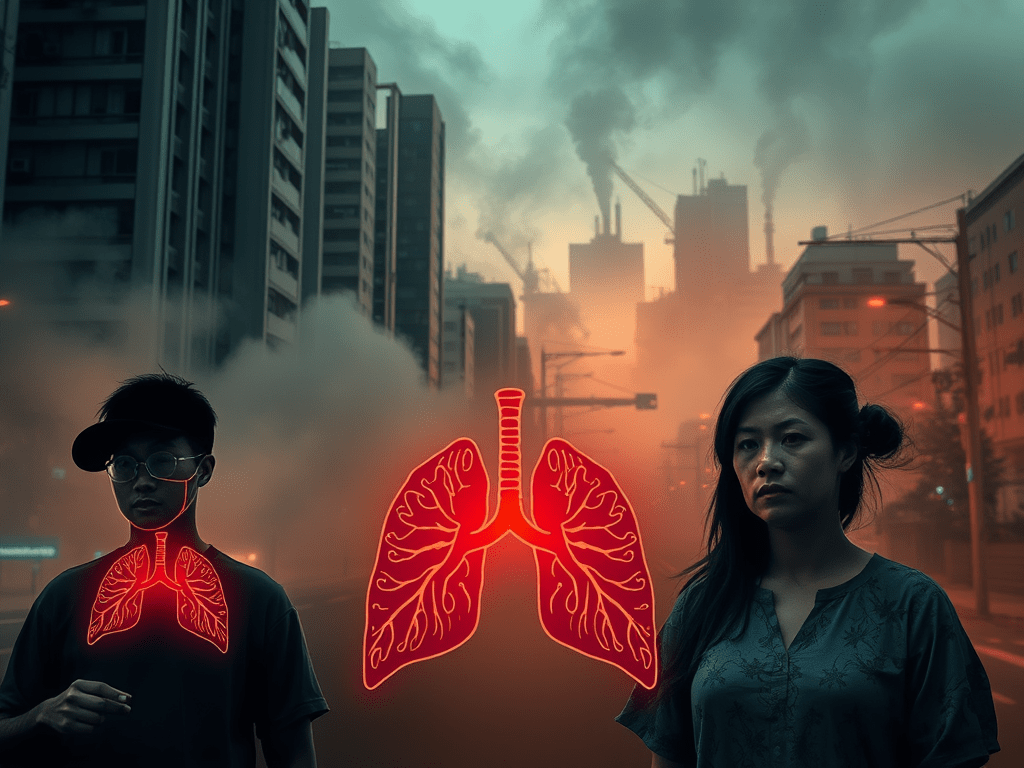
    According to Merriam-Webster, the definition of pollution is the action of making an environment unsuitable or unsafe for use by introducing chemical or manufacturing waste. There are seven types of pollution of air, water, soil, radioactive, light, noise, and thermal which all contribute to the serious health diseases. The World Health Organization states that, “The specific disease outcomes most strongly linked with exposure to air pollution include stroke, ischaemic heart disease, chronic obstructive pulmonary disease, lung cancer, pneumonia, and cataract (household air pollution only)” which explains how this could lead to severe issues for pregnant women has increased the mortality rates. In pollution, there are chemicals and particles such as carbon monoxide, nitrogen oxides, sulfur dioxide, and more which go deeply into the lungs, going to the bloodstream and reaching the organs. Pollution is more targeted to children and seniors as they have more sensitive systems who react to these issues far more. Not to mention, the low-income communities also have a higher risk of pollution due to the location of their homes. Many people believe that pollution is something that is outside, but it could also be inside as well. This includes smoke, lead, and dust from appliances, mold, fireplaces, and the walls of your homes to trigger the breathing problems. (https://www.pca.state.mn.us/air-water-land-climate/air-quality-and-health). The steps one could take to protect health is to check the weather app to understand when the air quality is unhealthy, close the windows when necessary, and avoid the exposure to such chemicals. 

  • The Rise of AI in the Public Health Field 

    Anvesha Bhagat

    643 hits

    Artificial Intelligence (AI) is when computer systems are able to perform tasks that are often done by humans; they are able to process the information just how humans are able to. As a result, the advancement of AI has reached higher levels as the years pass by, allowing it to make a significant impact on numerous fields such as public health. AI is able to assess and analyze data in a timeful manner, making it earlier for many scientists and researchers to utilize in their work field. AI is able to quickly recognize patterns of new disease outbreaks and efficiently predict where and when the impact will be the most severe. This proves to be especially useful in underdeveloped countries where advanced resources are not available so people are able to use prevention techniques and methods to keep themselves safe. AI allows healthcare providers to identify trends in their patient’s health, helping seek out if there is anything abnormal early on. This helps with the protection of everyone’s health, allowing them to live their fullest life without any health risks that could happen. AI’s ability to use its predictive models will be useful as it will provide more insight to numerous factors such as “climate data, human mobility patterns, and population density, to provide accurate forecasts” (https://onlinedegrees.valpo.edu/ai-in-disease-prevention/). AI can also be utilized throughout the hospitals where they can use it towards knowing when their resources are running low, helping them prepare for any scenario that is given. With AI-powered tools, AI is able to accurately predict numerous signs of diseases that are proven to be helpful in numerous subcategories of the public health field. 

  • Sleep: Make or Break Your Day 

    Anvesha Bhagat

    643 hits

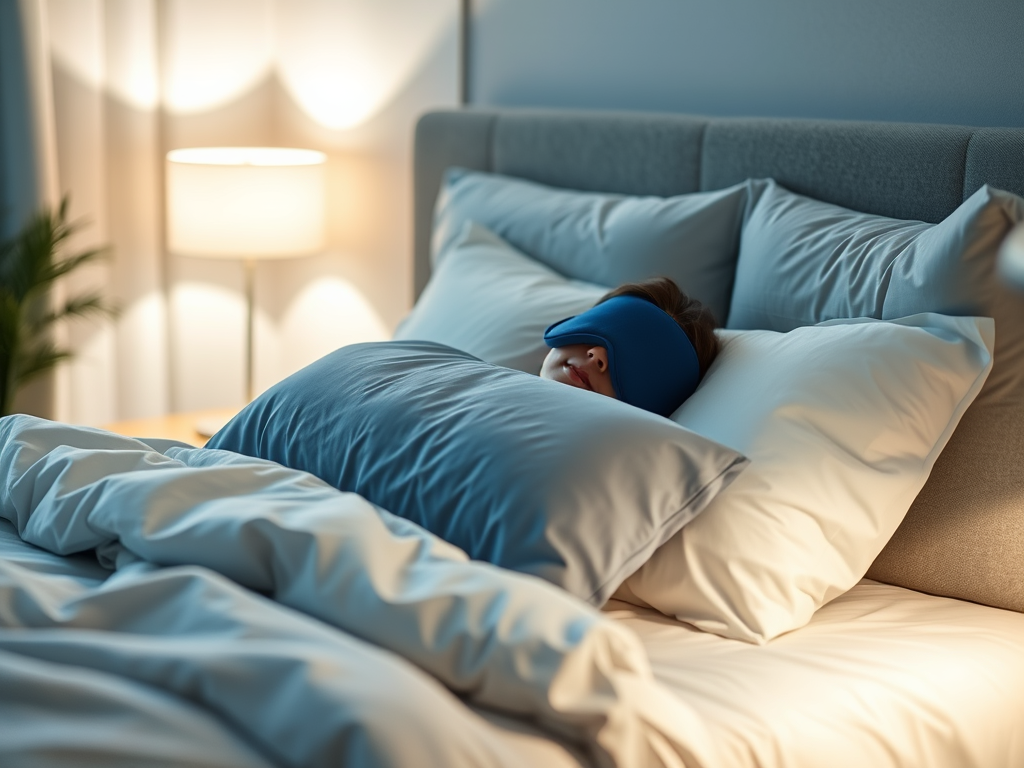
    Sleep is critical for all ages as it supports cognitive functions, mental and physical health, safety, and reduces the risk of certain diseases and injuries. According to the Mayo Clinic, sleep differs according to age. For example, Mayo Clinic states that for infants it is recommended for 12-16 hours of sleep, for one-two years it is recommended 11 to 14 hours, for three-five years old sleep is recommended for 10 to 13 hours, for six-twelve year olds sleep is recommended for 9 to 12 hours, for teenagers it is recommended that they receive 8 to 10 hours of sleep, and for adults it is recommended for more than 7 hours of sleep. Younger kids are recommended to have higher amounts of sleep as it is directly correlated to having a healthier lifestyle as it supports the regulation of immune functions, hormones, and healing processes. When you are sleeping, your body continues to work to support your bodily functions, which help support you throughout the day. According to the National Heart, Lung, and Blood Institute, it is stated that “…when you sleep, a particular type of immune cell works harder. That is why people who do not sleep enough may be more likely to get colds”, proving sleep is crucial towards protecting your body with infections. Not to mention, inadequate sleep can also contribute towards severe heart problems such as coronary heart disease, high blood pressure, and strokes. Sleep contributes towards your learning processes as well as not enough sleep can lead to trouble focusing and paying attention. Some strategies to help falling asleep are to limit the screentime, participate in physical activity, create a sleep friendly nighttime routine, avoid caffeine, and to consult a medical professional if the issue is severe. Therefore, it is crucial to get a proper amount of sleep so your body can best give you the support you need during the daytime.

    • Malaria: The Mosquito Attraction

      Anvesha Bhagat

      643 hits


      Malaria, an infectious disease, causes high death rates in underdeveloped countries such as Nigeria, which is not only destructive to human healthcare, but also affects the economy, education, and household income. According to Runaway Health, “Nigeria is one of the highest-risk countries for contracting malaria”, demonstrating the drastic measures that need to be taken to help support this issue. The impact of malaria emphasizes the severity of these diseases, “It is estimated that more than half of Nigeria’s population experiences at least one episode of malaria each year…  30% of outpatient visits, 20% of all hospital admission, and 10% of hospital deaths” (National Library of Medicine). Malaria starts with an infected female mosquito which injects malaria parasites into the bloodstream, these parasites are what enter the red blood cells, causing detrimental side effects.  These symptoms of malaria usually last for about eight to twenty, consisting of chills, headache, diarrhea, anemia, nausea, and many more.

      In high-resource countries such as the United States, “Malaria is not endemic in the United States. This means it does not regularly occur or spread in the U.S” according to the CDC. The statistics in Nigeria highlight the urgency for significant public health initiatives and ever-lasting disease control systems. There are many preventative measures that can be taken such as sleeping under a protective mosquito net, wearing covered clothing, keeping the windows closed, and applying mosquito repellant, which helps the spread of diseases not reach other communities. Malaria impacts the learning environment, household activities, finance, proving to be destructive to both the people’s healthcare and the economy.

    • Empower Women: Period Poverty 

      643 hits

      According to UN Women, period poverty is described as the inability to afford or access menstrual products, sanitation and hygiene facilities and education and awareness to manage menstrual health. In underdeveloped countries such as Nigeria, it is crucial to educate women and young girls about the importance of menstrual hygiene. According to the Nigeria Health Watch, “at least 37 million girls and women are unable to afford menstrual hygiene products” causing them to rely on newspapers, cloth rags, and leaves leading to numerous infections. Not only does insufficient hygiene products lead to infectious vaginal diseases but also can lead to the lack of education and economic opportunities due to discomfort and scarcity of information. This creates a large gap between the women’s life as they are restricted to daily activities due to improper hygiene. Aladeselu Margaret Ayomikun even states, “I’ve seen firsthand the way period poverty affects Nigerian girls’ lives…when she got her period, instead of taking the exam, she was forced to walk the lonely streets of Wakajaye, Ibadan looking for an adult that could spare her N600 (less than $1) to buy a pack of sanitary pads”, showing the need for accessible period products in Nigeria. However, in countries such as the United States, there are numerous policies that allow for sanitary products to be available. To exemplify, the Menstrual Equity For All Act of 2023 repeals the taxes on sanitary products allowing for these essentials to be more cost effective. It also concentrates on making menstrual products more available in schools,buildings, and facilities to support low-income families. As a result, numerous states have taken it to be their responsibility to require schools to have free menstrual products in the girl’s bathrooms so they do not have to worry when they are at school, creating a tension free environment for young girls when it comes to their health. Although the increased awareness truly demonstrates the path towards equity, we still have a long way to go by reducing stereotypes and putting these efforts to provide menstrual products in other public spaces. We need to make sure that as a society, we empower women to ensure that they are not affected by period poverty.

    • Autism isn’t a malfunction

      643 hits

      My head pivoted when I heard laughter through the walls of my class. I looked around, only to land my gaze on a group of boys who were teasing this freshman who had autism. All that boy wanted is to fit in, however, because of the way he acts and communicates, he was being treated as an outsider. This opened my perspective as I became aware of the challenges people with autism encounter daily. I realized that people with autism are often misunderstood as many-including adults, fail to understand what the disorder truly is. With the lack of information, I realized that people would still have common misconceptions which would still lead to isolation. To foster a more inclusive environment, I decided to create an organization with my friend. In this organization, not only do we advocate and promote awareness but also make resources for young kids who have autism. Our goal is to create an environment where autism is understood, where it is not to be seen as an obstacle, but just a different approach on life. Today, our social media has more followers, where we post daily on facts about autism, to engage and educate our audiences. We hold peer support groups where anyone, including parents, teachers, and students can join in to learn and ask any questions that they might have, which are all answered by professionals. Not to mention, recently, we published a book that is tailored towards young children to help them understand how their peers who have autism feel. I believe that educating people at a younger age will bring forth inclusivity, allowing future generations to embrace neurodiversity.