643 hits
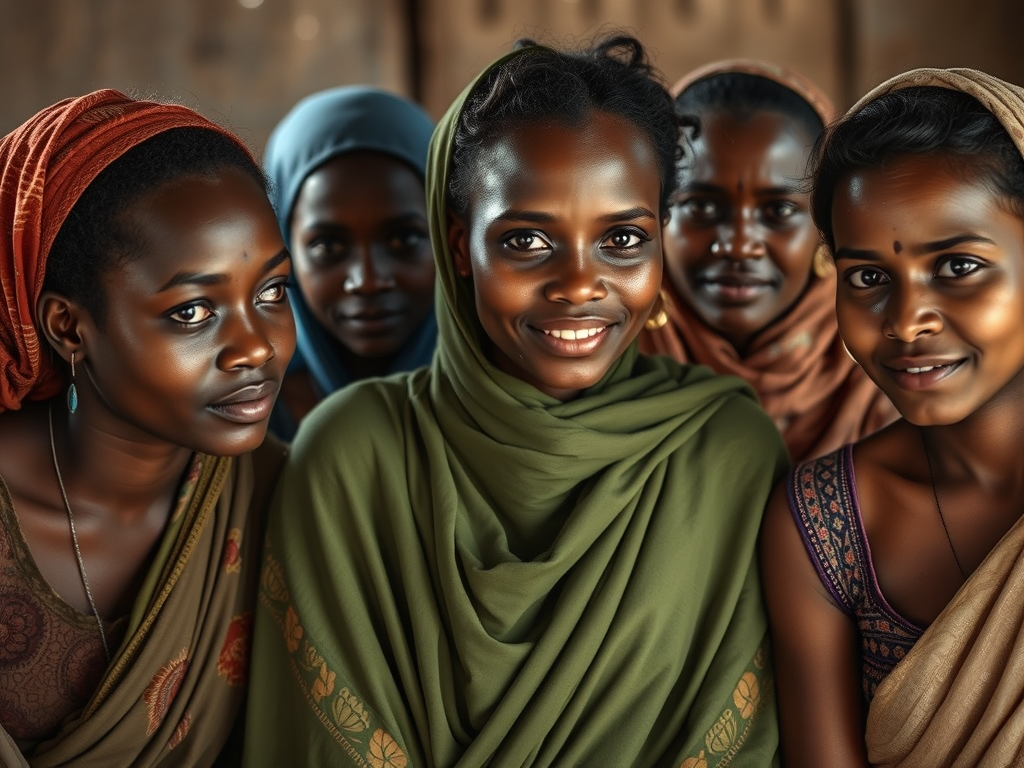
According to UN Women, period poverty is described as the inability to afford or access menstrual products, sanitation and hygiene facilities and education and awareness to manage menstrual health. In underdeveloped countries such as Nigeria, it is crucial to educate women and young girls about the importance of menstrual hygiene. According to the Nigeria Health Watch, “at least 37 million girls and women are unable to afford menstrual hygiene products” causing them to rely on newspapers, cloth rags, and leaves leading to numerous infections. Not only does insufficient hygiene products lead to infectious vaginal diseases but also can lead to the lack of education and economic opportunities due to discomfort and scarcity of information. This creates a large gap between the women’s life as they are restricted to daily activities due to improper hygiene. Aladeselu Margaret Ayomikun even states, “I’ve seen firsthand the way period poverty affects Nigerian girls’ lives…when she got her period, instead of taking the exam, she was forced to walk the lonely streets of Wakajaye, Ibadan looking for an adult that could spare her N600 (less than $1) to buy a pack of sanitary pads”, showing the need for accessible period products in Nigeria. However, in countries such as the United States, there are numerous policies that allow for sanitary products to be available. To exemplify, the Menstrual Equity For All Act of 2023 repeals the taxes on sanitary products allowing for these essentials to be more cost effective. It also concentrates on making menstrual products more available in schools,buildings, and facilities to support low-income families. As a result, numerous states have taken it to be their responsibility to require schools to have free menstrual products in the girl’s bathrooms so they do not have to worry when they are at school, creating a tension free environment for young girls when it comes to their health. Although the increased awareness truly demonstrates the path towards equity, we still have a long way to go by reducing stereotypes and putting these efforts to provide menstrual products in other public spaces. We need to make sure that as a society, we empower women to ensure that they are not affected by period poverty.

Leave a comment