In much of the world, a fever is just a fever. You take something, rest for a day, and move on. For a child in a rural village in Malawi or Bangladesh, the same fever might be malaria, and the nearest clinic could be a three-hour walk away.
That gap is what public health in developing countries is really about.
Start with the diseases. Malaria, tuberculosis, HIV, and plain old diarrhea still kill millions of people every year. Most of those deaths don’t need to happen. We already have vaccines, mosquito nets, oral rehydration salts, and cheap antibiotics. The hard part is getting them to people who live far from roads, pharmacies, or a reliable supply chain.
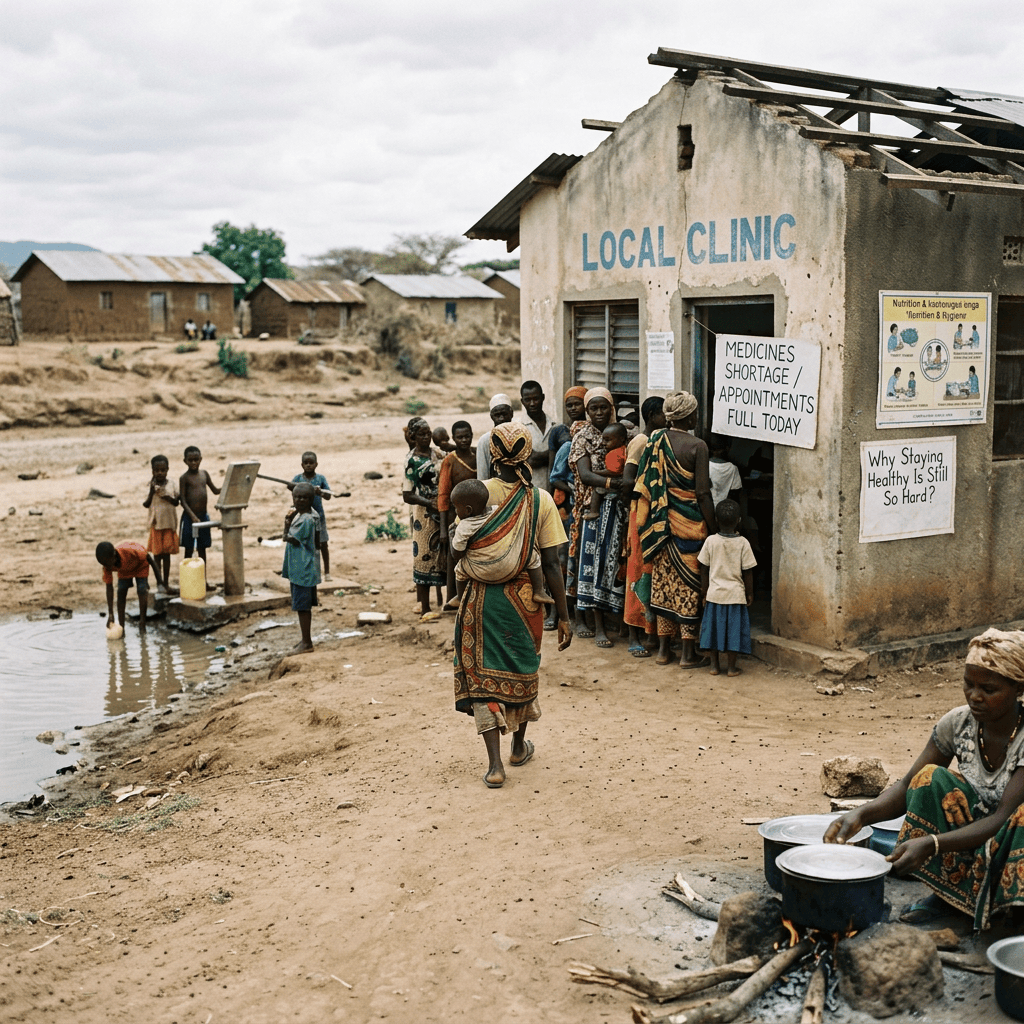
Then there’s the shortage of people. Some countries have only a handful of doctors for every hundred thousand residents. Nurses work double shifts, clinics run out of basic medicines, and many trained professionals leave for better pay overseas. When Ebola hit West Africa, and later when COVID arrived, already stretched systems almost collapsed.
Clean water matters more than most of us realize. When a family has to drink from a contaminated well, children get sick over and over. Add poor nutrition, and those kids grow up smaller, miss school, and have a harder time escaping poverty. It turns into a cycle.
There’s also a newer problem that doesn’t get much attention: diabetes, high blood pressure, and cancer are rising fast in these same countries. Hospitals built to fight infections often aren’t equipped for long-term care.
Still, there’s real reason for hope. Local health workers going door to door, text message reminders for vaccines, and small community clinics have changed outcomes in places once written off. What works best is usually simple, local, and trusted by the people it serves.
Health shouldn’t depend on where you happen to be born.