• 826 hits

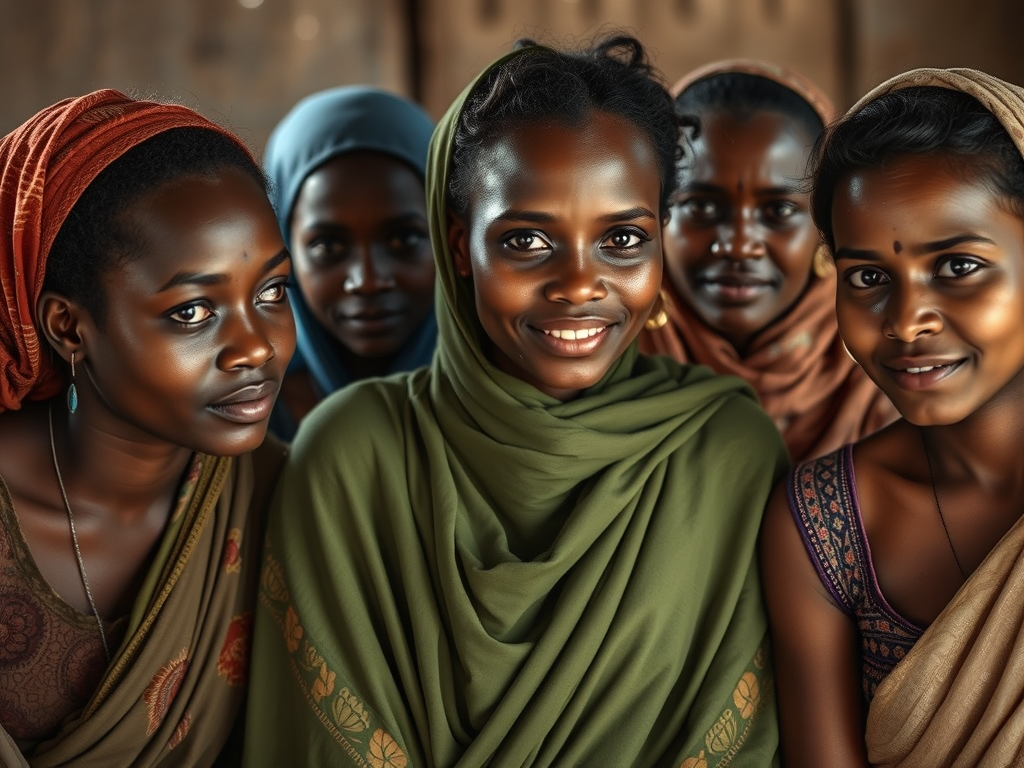
    According to UN Women, period poverty is described as the inability to afford or access menstrual products, sanitation and hygiene facilities and education and awareness to manage menstrual health. In underdeveloped countries such as Nigeria, it is crucial to educate women and young girls about the importance of menstrual hygiene. According to the Nigeria Health Watch, “at least 37 million girls and women are unable to afford menstrual hygiene products” causing them to rely on newspapers, cloth rags, and leaves leading to numerous infections. Not only does insufficient hygiene products lead to infectious vaginal diseases but also can lead to the lack of education and economic opportunities due to discomfort and scarcity of information. This creates a large gap between the women’s life as they are restricted to daily activities due to improper hygiene. Aladeselu Margaret Ayomikun even states, “I’ve seen firsthand the way period poverty affects Nigerian girls’ lives…when she got her period, instead of taking the exam, she was forced to walk the lonely streets of Wakajaye, Ibadan looking for an adult that could spare her N600 (less than $1) to buy a pack of sanitary pads”, showing the need for accessible period products in Nigeria. However, in countries such as the United States, there are numerous policies that allow for sanitary products to be available. To exemplify, the Menstrual Equity For All Act of 2023 repeals the taxes on sanitary products allowing for these essentials to be more cost effective. It also concentrates on making menstrual products more available in schools,buildings, and facilities to support low-income families. As a result, numerous states have taken it to be their responsibility to require schools to have free menstrual products in the girl’s bathrooms so they do not have to worry when they are at school, creating a tension free environment for young girls when it comes to their health. Although the increased awareness truly demonstrates the path towards equity, we still have a long way to go by reducing stereotypes and putting these efforts to provide menstrual products in other public spaces. We need to make sure that as a society, we empower women to ensure that they are not affected by period poverty.
  • 826 hits

    My head pivoted when I heard laughter through the walls of my class. I looked around, only to land my gaze on a group of boys who were teasing this freshman who had autism. All that boy wanted is to fit in, however, because of the way he acts and communicates, he was being treated as an outsider. This opened my perspective as I became aware of the challenges people with autism encounter daily. I realized that people with autism are often misunderstood as many-including adults, fail to understand what the disorder truly is. With the lack of information, I realized that people would still have common misconceptions which would still lead to isolation. To foster a more inclusive environment, I decided to create an organization with my friend. In this organization, not only do we advocate and promote awareness but also make resources for young kids who have autism. Our goal is to create an environment where autism is understood, where it is not to be seen as an obstacle, but just a different approach on life. Today, our social media has more followers, where we post daily on facts about autism, to engage and educate our audiences. We hold peer support groups where anyone, including parents, teachers, and students can join in to learn and ask any questions that they might have, which are all answered by professionals. Not to mention, recently, we published a book that is tailored towards young children to help them understand how their peers who have autism feel. I believe that educating people at a younger age will bring forth inclusivity, allowing future generations to embrace neurodiversity.

  • 826 hits

    Global Health is an interdisciplinary field of study that revolves around improving health outcomes by setting policies and regulations that help prevent diseases. It is a field that involves numerous people from different professions and backgrounds working together to improve the community as a whole. To exemplify, associations such as WHO, World Health Organization, make policies that are based on health data that help recognize possible threats to our society. It focuses on social, economic, and environmental factors, delving into how sanitization, education, and gender all could contribute to leading causes of diseases. However, public health is not just a field that researches disease prevention and responses to them but also focuses on equal opportunities and resources for everyone for their optimal health. It promotes how health equity is crucial as it is everyone’s right to have the access to the same services, procedures, and medicine that are available, ensuring that underprivileged communities have the same opportunities. My interest in global health grew during my vacation to Switzerland, where my family and I got off at the wrong stop due to miscommunication with the train conductor. As we tried to navigate our way, we met an elderly woman at the station. While we were talking, she explained how she was a retired nurse who spent half of her summer in Africa helping underprivileged families with vital healthcare and effective medical protection. The harsh truth that people worldwide fail to have the access to quality healthcare highlights health inequity that underdeveloped countries face. Her impact inspired me to make a difference in the lives of others and sparked my interest into pursuing a career in this field. By writing this I hope it encourages you to take a better grasp into this field and help your community as well.